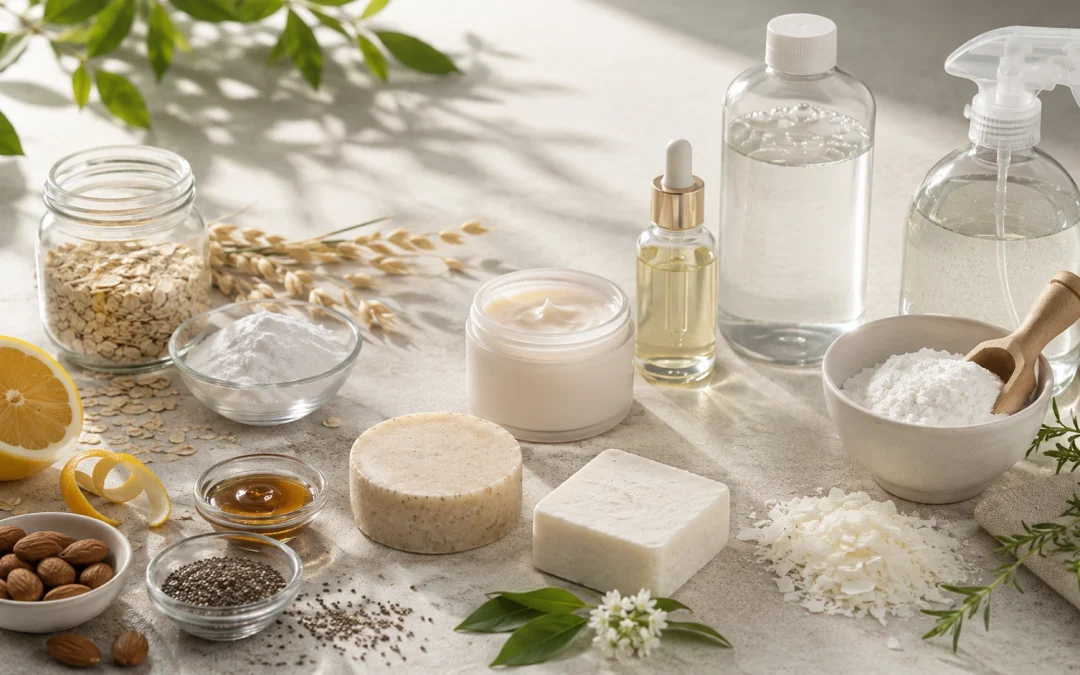
In a world where sustainability is no longer optional but a necessity, both the cosmetics industry and the nutritional supplements sector are embracing the concept of upcycling. More than just a trend, it represents a revolution in how we understand ingredients: giving a second life to what was once waste, transforming it into high-value functional, sensorial, and nutritional actives.
What is upcycling and why is it gaining traction?
Upcycling consists of repurposing by-products from other industries — especially the food and agricultural sectors — and converting them into effective, sustainable ingredients that align with the new expectations of consumers. Unlike traditional recycling, upcycling not only reduces waste, but adds value: turning discarded materials into purposeful and useful resources.
-
In cosmetics, this means creating oils, extracts or natural exfoliants from coffee grounds, fruit peels, discarded seeds or wine production waste.
-
In nutritional supplements, it’s about transforming pulps, skins or plant-based residues into ingredients rich in polyphenols, fiber, prebiotics or natural antioxidants.
Upcycled ingredients: from waste to functional innovation
Examples of successfully used upcycled ingredients include:
-
Walnut shell powder – used as a biodegradable physical exfoliant in cosmetics.
-
Upcycled coffee extract – an antioxidant for skincare or energy-enhancing supplement.
-
Raspberry seed oil (from juice industry waste) – rich in fatty acids and vitamin E, suitable for both skincare and supplementation.
-
Grape polyphenols (from winemaking residue) – used in anti-aging cosmetics and as active ingredients for cardiovascular and cognitive health.
-
Upcycled pectins and plant fibers – used for digestive health, satiety, and metabolic wellness formulations.
These ingredients not only fulfill technical functions but also carry a circular economy story and an environmental commitment that resonates with today’s conscious consumers.
Benefits for formulators and brands
-
True, traceable sustainability – supports a circular, zero-waste and local economy.
-
Cross-sector innovation – ingredients that perform in both personal care and inner wellness.
-
Powerful storytelling – each ingredient tells a story that strengthens brand purpose.
-
Differentiation and added value – ideal for premium, clean label products with positive impact.
What about the challenges?
Like any real progress, upcycling presents some challenges:
-
Traceability and by-product quality – it’s essential to control origin, composition and processing.
-
Regulation and safety – ingredients must comply with cosmetic and food standards (EFSA, FDA…).
-
Stability and functionality – they must perform as well as (or better than) conventional ingredients.
This is why technical and strategic support is key to successfully integrating upcycled ingredients.
How can Admixtio help?
At Admixtio, we operate at the intersection of nature, science and sustainable innovation. We support brands in both cosmetics and nutrition sectors by identifying, validating and applying high-quality upcycled ingredients with functional evidence and ethical origin.
If you’re looking to develop innovative, effective products that align with sustainability and circularity values, we help you turn waste into the resources of the future.
Want to explore formulations with upcycled ingredients?
Get in touch and discover how to turn sustainability into real innovation.