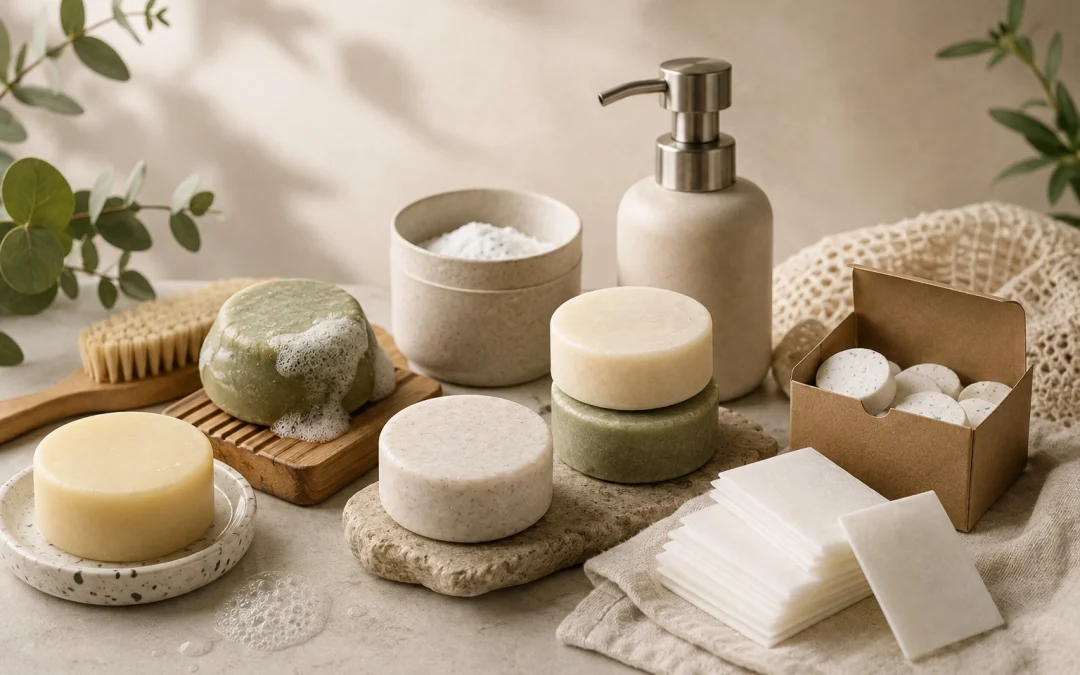
Ecological detergency has emerged as an innovative and growing alternative to conventional cleaning products. Its approach goes beyond simply removing dirt—it promotes the use of biodegradable, natural-origin ingredients, formulations that are safe for human health, and processes that reduce environmental impact. This holistic view also extends to sustainable packaging, with reusable or refillable containers that help minimize waste. Thus, what defines an eco-friendly detergent is not only its formula, but its entire life cycle, from production to disposal.
These products rely on plant-based, mild surfactants, such as alkyl polyglucosides (e.g., decyl or coco glucoside), natural soaps (alkyl carboxylates), and gentle anionics like sodium coco-sulfate or sodium lauroyl sarcosinate, which provide effective cleaning while maintaining full biodegradability. Amphoteric surfactants like naturally derived cocamidopropyl betaine and co-surfactants such as sorbitan esters are also included, all of which are compliant with eco-certifications like ECOCERT and Ecolabel.
To soften fabrics, these detergents use biodegradable cationic surfactants, mainly esterquats derived from vegetable oils such as Distearoylethyl Dimonium Chloride, known for their performance and approval under standards like COSMOS. Natural softening can also be enhanced with plant extracts or mild acids, avoiding traditional quaternary ammonium compounds and persistent synthetic fragrances.
In terms of preservation, natural detergents include organic acids such as sorbic, benzoic, levulinic or anisic acid, along with botanical extracts, essential oils, and plant-based alcohols, which provide antimicrobial and deodorizing effects. Though milder than synthetic preservatives, these options are effective when properly formulated and pH-balanced. For water hardness, biodegradable chelating agents like citric acid, GLDA, and MGDA are used as sustainable alternatives to EDTA, sometimes supported by tartaric or lactic acid.
A key factor in the performance of these formulas is the use of biodegradable enzymes, such as lipases, amylases, proteases, and cellulases, which target specific stains (like grease, starch, or proteins) and allow effective washing at lower temperatures and with less surfactant. When produced through sustainable biotechnological processes, these enzymes meet eco-certification standards and reduce the need for harsh chemicals.
Today’s eco detergents have overcome the myth of being less effective. Thanks to optimized formulations, they deliver excellent cleaning results even under demanding conditions, such as hard water or moderate soil levels. Some may require more precise dosing or pre-treatment for tough stains, since they don’t contain strong chemical bleaches.
In short, ecological detergency offers an effective, responsible, and forward-thinking solution for household cleaning. With products that combine performance, biodegradability, and environmental respect, it represents a solid and realistic option for those who want to maintain a clean home without compromising their health or the planet.